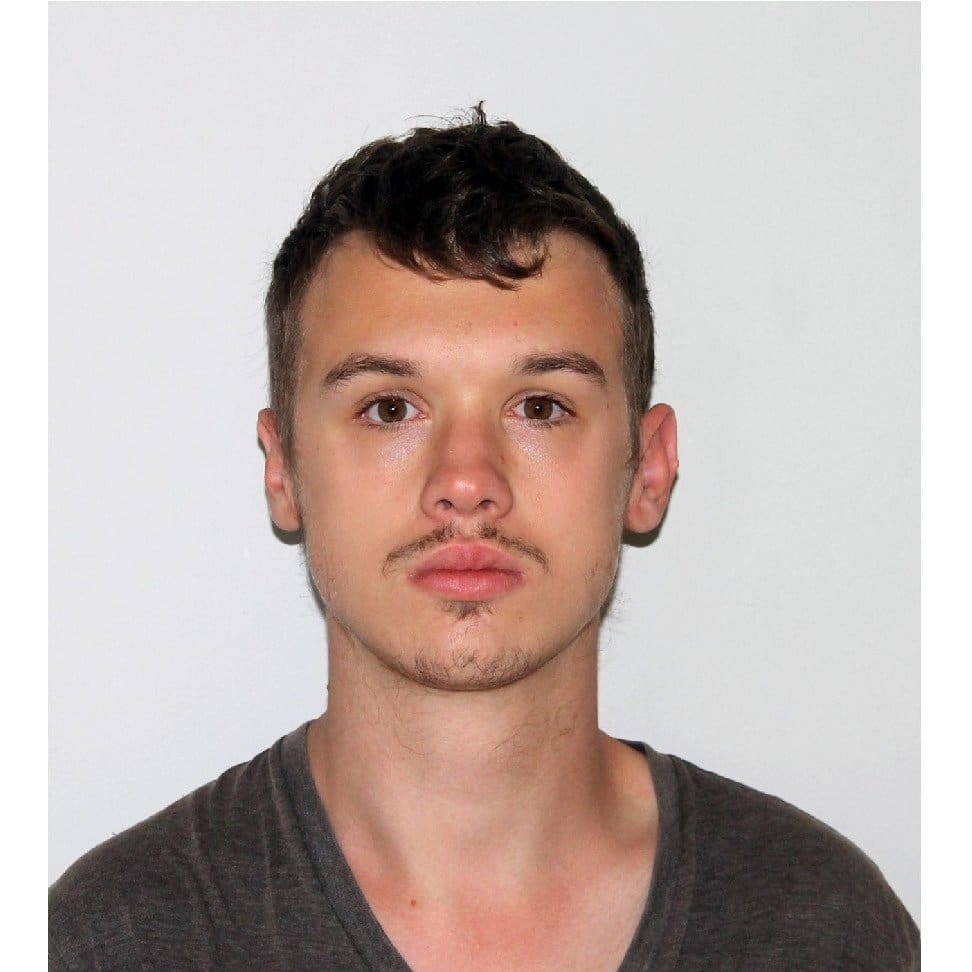
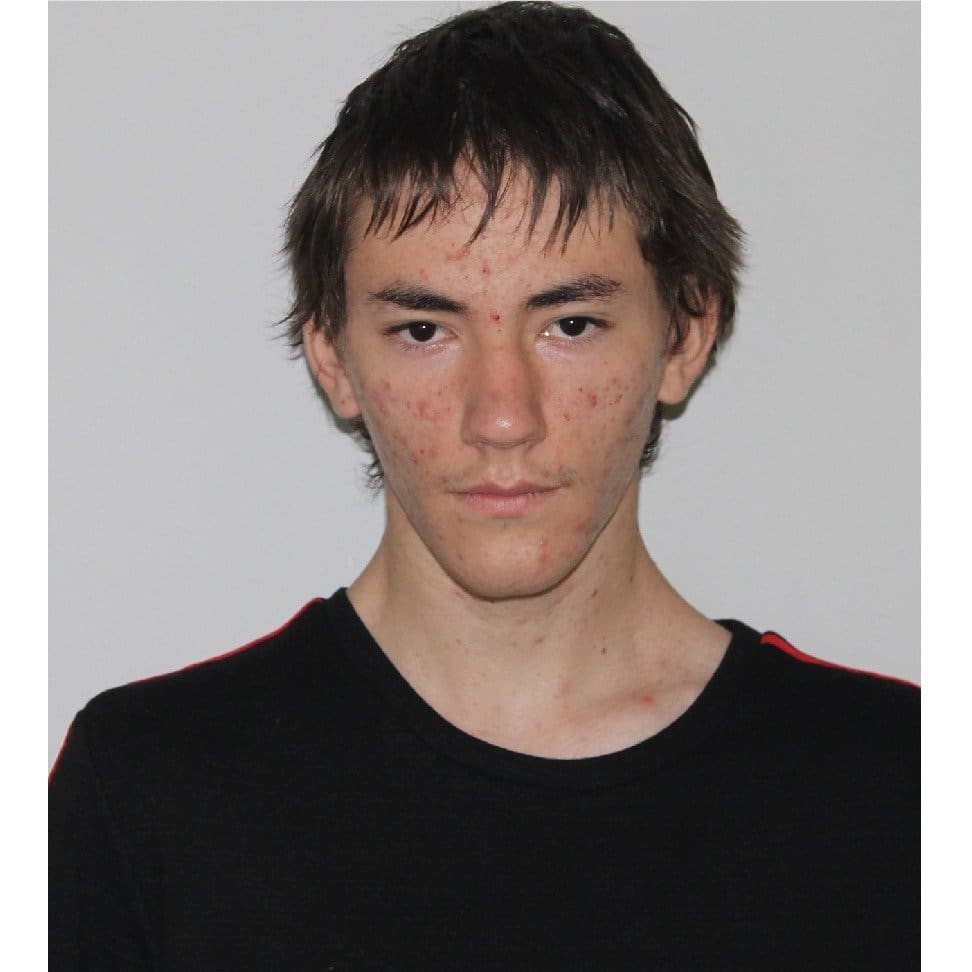
Two young men were arrested last week following multiple fires set on Dagenais Blvd. in Laval in late September, including one at a Buddhist temple that broke out while Buddhist clergy were inside.
The Laval Police Department confirmed in a news release that officers arrested Jacob Côté, 18, and Mathieu Mongeau, 21, after there had been five fires on Dagenais Blvd. in Fabreville on Sept. 28.
“A call was made to 9-1-1 concerning a fire that was raging inside a garbage container in the parking lot of a business located on Dagenais Blvd. West,” the LPD said. “Four other fires were declared simultaneously in the Fabreville sector.”
According to the LPD’s investigation, the officers were able to quickly catch up to Côté and Mongeau, arresting them on the same night as the fires, because they were lingering a short distance away.
The two were arraigned on Sept. 29 on charges of arson. They remained detained at that time and were due back in court a week later.
Man, 25, shot on Montée Monette in Vimont
There was yet another firearms incident on Laval’s territory last week. This time, a 25-year-old male received a gunshot wound on Oct. 8 as he was driving on Montée Monette in Vimont.
Just after 9:30 pm near the corner of Yvan Pavlov Blvd., another car came up alongside the victim’s vehicle and a gunman began firing in his direction. While the victim sustained a gunshot injury, a passenger riding beside him was not hurt, the police said in an incident report.
The LPD said the victim was not known to them. He was taken to a nearby hospital to be treated, and his injuries were not life-threatening. The LPD had no suspects.
Work to begin at A-15/A-440 interchange, two years after fiery crash
Work on the first phase of a project to make the Autoroute 440/Autoroute 15 interchange safer after years of vehicle accidents was set to begin this week.
The Quebec Ministry of Transport had announced the project after the fiery multi-vehicle accident that took place in early August 2019. Four people lost their lives and a dozen others were injured in a nine-vehicle pile-up that included two heavy trucks.
The first phase of the work will involve adding an entrance south of the A-440 overpass from the A-15 northbound service roads. This phase is expected to limit backed up traffic and improve flow through the interchange.
The Autorité régionale de transport métropolitain (ARTM) is supervising the project. This is being done in order to connect this work to a project for reserved lanes on the A-15 headed northward. The two projects are expected to be completed by next summer.
A second phase includes the construction of an overhead ramp leading directly from the A-440 West express lanes to the A-15 North, including redevelopment of the Industriel Blvd. exit.
The Quebec government has prioritized the project and is using acceleration measures provided in provincial legislation for accelerating certain infrastructure projects. Around 305,000 vehicles travel every day through the A-440/A-15 interchange.
Ottawa, Quebec failed to halt Anglo community’s economic decline, says CEDEC
There was a collective failure on the part of federal and provincial governments to prioritize and take the necessary steps to address the economic decline of the English-speaking community of Quebec, the head of an economic development agency with concerns for the province’s anglophones claimed during an online consultation on Oct. 5.
“In the context of post-pandemic recovery, addressing this challenge must be at the centre of any constructive and productive dialogue with federal institutions with the responsibility for the economic development of the English-speaking community,” John Buck, president and CEO of the Community Economic Development and Employability Corporation(CEDEC), told federal government officials who hosted the webconference.
Economic vitality
“It is important to emphasize that a community’s health and well-being is a function of its economic vitality,” he added. “The economic development of the English-speaking community, especially in a post-COVID-19 recovery context, must ensure the continued vitality and resilience of the English-speaking community of Quebec in the years ahead.”
CEDEC CEO John Buck said the English-speaking community of Quebec is experiencing economic decline in many quarters.
Buck said the English-speaking community of Quebec is experiencing economic decline in many quarters, examples being economic disadvantages related to employment, poverty, median incomes and a shrinking middle-class. He said that success in being able to deal effectively with these problems will be “essential to the long-term health and vitality of the official language minority community in Quebec.”
‘Ready and willing,’ CEDEC CEO said
In spite of his criticisms, Buck said that effective economic development that will benefit the English-speaking community of Quebec can only be achieved through collaboration and innovation.
“We are ready and willing to work with the federal government and its institutions, especially ISED and CED-Q, to strengthen economic growth and development of the English-speaking community, to develop and adopt a policy on the economic revitalization of the English-speaking community of Quebec in the context of the government’s immediate post-COVID-19 recovery plan, and to extend these efforts into the next official languages action plan.”
Anglo groups consulted
The CEDEC was just one group that Innovation, Science and Economic Development Canada (ISED) and Canada Economic Development for Quebec Region (CED-Q) had invited to participate in the first “Virtual Dialogue Day” with the English-speaking Communities in Quebec (ESCQ).
The purpose of the meeting was to measure the impact of the pandemic on the economic development of the communities, more specifically to reflect on main issues relating to the economic development of the ECSQ in the context of the pandemic, and to build and strengthen collaboration and partnerships between community stakeholders and federal institutions.
New consultation strategy
“This dialogue is a unique occasion for federal departments and partners that brings together English-speaking communities in Quebec and the federal government to reflect on experiences and challenges relating to the pandemic,” said Francis Bilodeau, senior assistant deputy minister for innovation strategies and policies at Innovation, Science and Economic Development Canada.
“These events, this one and other events we’ve launched, support a new consultation strategy put forward by the department,” he said, noting that a second consultation in November will concentrate on the pandemic’s impact on Quebec’s tourism sector, while a third will focus on sharing best practices and collaboration between communities and federal institutions.
Survey results released
Released during the meeting were draft key findings from a pre-consultation survey conducted over a period of 10 days in early September by the Association for Canadian Studies to assess the economic impacts of the pandemic on the English-speaking minority communities in Quebec and whether the federal programs/measures helped to effectively mitigate the impacts.
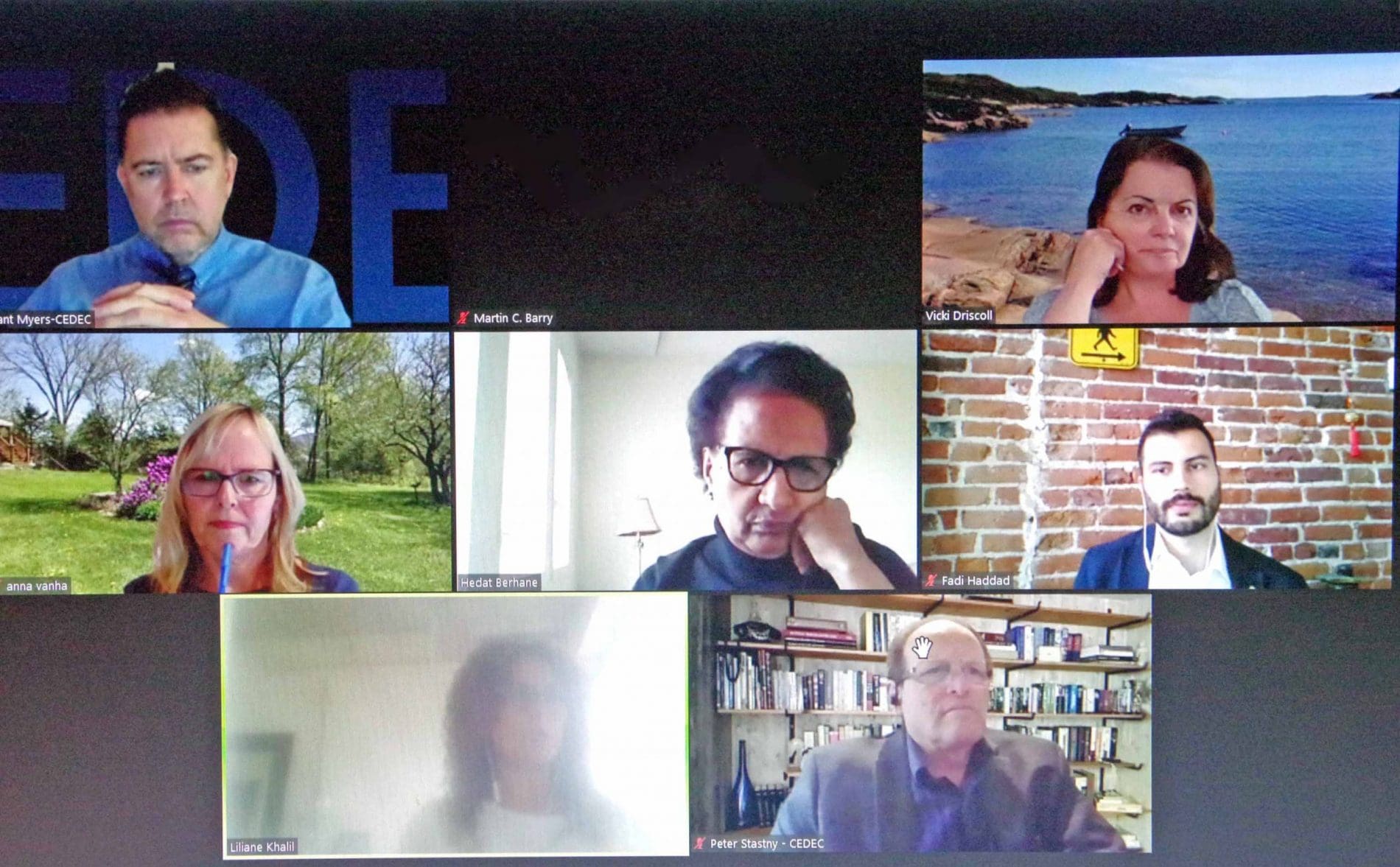
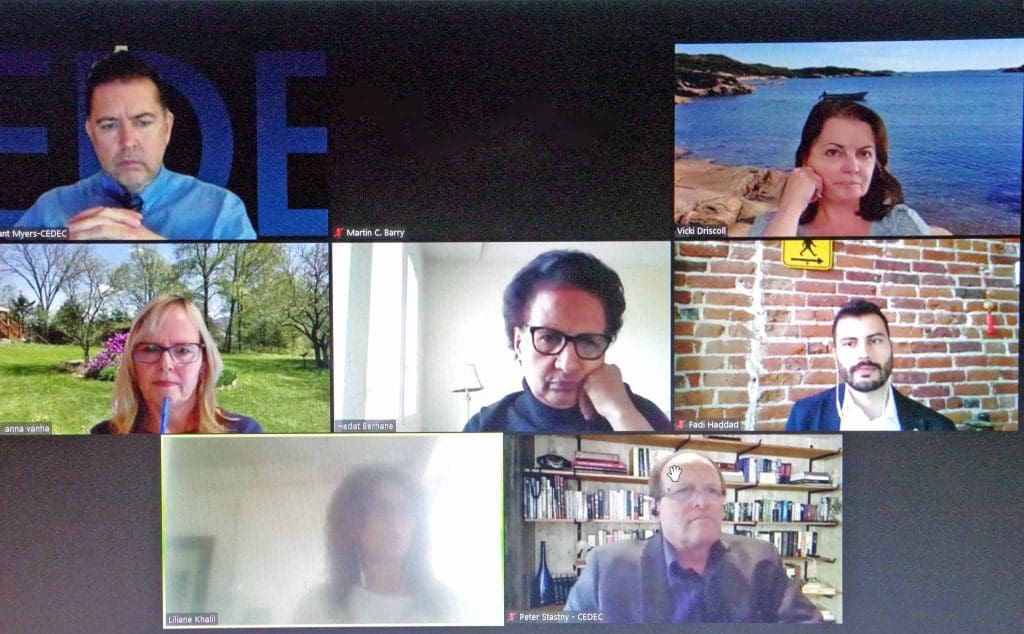
The purpose of the meeting was to measure the impact of the pandemic on the economic development of the English-speaking community in Quebec.
According to the survey results, 98 per cent of the respondents were from non-profit organizations, the remaining two per cent being from small businesses. The results also showed that nearly one-third of the respondents (29 per cent) used news outlets (local, national and international) as their primary source of information on COVID-19 programs.
More survey findings
In other findings, 80 per cent of respondents said their organization didn’t benefit from COVID-19 economic recovery programs offered by Canada Economic Development (CED), with half saying they had no need for support, and nearly a dozen organizations maintaining they didn’t meet the program criteria.
“The majority of those surveyed (64 per cent) responded that their organization didn’t benefit from any other COVID-19 programs offered by the federal government,” stated the survey’s authors, Paul Holley and Stefan Stefanovic. “According to the majority of the respondents, there was no need for support.”
Among TFLP’s founding members are veterans of the first wave of Bill 101 resistance
While maintaining that they enjoy “a pretty good relationship” with the Quebec Community Groups Network but remain independent of the larger anglophone interest lobby group, the Task Force on Linguistic Policy released a brief on the CAQ government’s Bill 96 last week which goes far beyond the QCGN’s analysis.
Following the federal Liberal government’s enacting of Bill C-32 to reform the Official Languages Act and the provincial government’s passing Bill 96, the TFLP was created “to enable concerned citizens to confront the excesses” in the two pieces of legislation, the organization states on its website.
They weren’t invited
Although the CAQ government recently held public hearings at the National Assembly on Bill 96, the TFLP was not among the few anglophone lobby groups invited to submit briefs. Nonetheless, the organization prepared its own which was released last week during a webcast press conference.
While the QCGN is led by a board that includes former Liberal MP Marlene Jennings as president and former Liberal senator Joan Fraser who is a board member, the TFLP’s list of founding members includes some seasoned veterans of the first wave of resistance to Bill 101 more than four decades ago.
Veterans back to contest
These include former Equality Party leader Keith Henderson, as well as constitional lawyer Brent Tyler, a firebrand who filed many legal contestations of Bill 101 over the years on behalf of companies and individuals who were at odds with the Parti Québécois’ 1977 Bill 101 language legislation.
Both were speakers during last week’s webcast. Ben Huot, vice-chair and policy chair at the TFLP, said the brief was the culmination of an article-by-article analysis of Bill 96 which took place over several months, with university professors, lawyers, professionals and concerned Quebecers participating
Former Equality Party leader Keith Henderson is a founding member of the Task Force on Linguistic Policy.
“Bill 96 is not just a language law, it is a fundamental restructuring of our society, our country, our province (not nation), the relationship between people and the state, and between each other,” said Colin Standish, the Task Force’s president.
TFLP accuses gov’t of lying
“The CAQ government has said repeatedly, ‘This Bill does not take away the rights of English-speakers,’ added Standish. “Those statements are not opinions or biased observations… those statements are lies.”
In an executive summary of its brief on Bill 96, the TFLP says, “The Bill serves to erode, erase and extinguish the fundamental freedoms of all Quebecers, be they French-speakers, English-speakers, newcomers or Aboriginals. The Bill surgically excises the English language and its speakers and institutions from Quebec,” and “in effect, Bill 96 deinstitutionalizes the English language and its speakers in Quebec.”
Pet peeves with Bill 96
Here is a list of the Task Force’s primary reservations about Bill 96:
It does not promote, “protect” or increase the French-language in usage, home language, mother-tongue or first official language spoken (FOLS).
Bill 96 effectively erases the English-language, its institutions and individual speakers from civil society and public administration in Quebec.
The proposed unilateral Constitutional amendment is, in itself, unconstitutional and ill-advised public policy that will affect other aspects of the Canadian Constitution. (s. 159)
Changes to the interpretive framework for Bill 101 and the Quebec Charter and other laws will distort fundamental freedoms and human rights. (ss. 63, 65, 66, 120, 138, 133- 136) 5. Freedom of expression, commercial expression and practice, work and employment, contractual liberty and freedom of education are constrained for all Quebecers, of all linguistic groups.
The use of provincial and national notwithstanding clauses will suppress basic human rights for all Quebecers in extreme and illegitimate ways at home, at school, the workplace and in their commercial transactions.
Children’s names and Bill 96
Among the more extravagant measures the TFLP claims to have found in Bill 96 is an article which amends the old language legislation by striking out the word “English” in a section pertaining to the naming of a child. This, the TFLP maintains, would force some people to use francicized names.
“Bill 96 is not just a language law, it is a fundamental restructuring of our society,” said TFLP president Colin Standish.
“Where a name contains characters, diacritical signs [accents etc.] or a combination of a character and a diacritical sign that are not used for the writing of French, the name must be transcribed into French,” reads the new article as it would supposedly appear in Bill 96.
“It’s sort of outlandish. If people from around the world or indigenous Canadians, if they have anything that’s sort of not an Anglo/Celtic name, they would be forced to be solely in French going forward,” said Standish.
“It’s a very bizarre little change. I don’t know why we can’t let people name themselves for themselves or what they parents decide.”
Fines from $21,000 – $90,000
Describing some of the monetary penalties imposed upon those who violate Bill 96, the TFLP claims that a fine ranging from $21,000 (individual) to $90,000 (corporate) could be levied upon any person or company found guilty of allowing a child to be instructed in English when they are legally ineligible.
Standish gave the following example (although he suggested he wasn’t completely certain, as the government has yet to explain in detail the exact impact of the law which hasn’t been passed by the National Assembly yet).
Bill 96 and Story Time
“If you let your child in your home read a story book in English to a neighbour’s child, who lacks a Section 23 right – let’s say they’re a new Canadian or a French speaker without the right to English education – you can have a $21,000 fine,” he said, while adding that if you are running a business from home, the fine could be up to $90,000.
‘You could have a $21,000 to $90,000 fine for merely tolerating a child’s receiving instruction in English’
“This is actually in Bill 96. This is not a ridiculous example where I’m trying to distort and pervert what’s actually in the law. You could have a $21,000 to $90,000 fine for merely tolerating a child’s receiving instruction in English if they don’t have a Section 23 right. That’s how far this law goes in perverting and distorting our rights and freedoms.”
The City of Laval has decided to take some innovative action to help combat poverty and economic problems in certain neighbourhoods on its territory.
A new policy position document was adopted by city council during its Nov. 5 meeting. Despite Laval’s overall high standing in Quebec as one of the province’s wealthier cities, the city says that one person in 10 lives below the poverty line.
The new policy will allow the city to plan and intervene in this regard more efficiently in order to revitalize neighbourhoods that are more affected by poverty, with an action plan containing more detailed procedures expected to be tabled sometime in 2022.
An important element of the plan, known as “Integrated Urban Revitalization,” will see action taken at the local level, with citizen participation encouraged. Some of the types of intervention the city will be making are as follows:
Bring municipal services, local residents and others together;
Identify priorities for actions to be taken;
Improve local infrastructure so that old can be remade into new;
Take actions to deal with “heat islands”;
Plan public spaces with quality and security as priorities;
Revive commercial streets.
Laval Fire Department tables 2021-2025 fire risk plan
During the Oct. 5 city council meeting, a fire risk plan submitted by the Laval Fire Department was tabled. The wide-ranging plan, the third such exercise in the application of strategic fire prevention, includes 54 actions to be taken over the next five years at a cost of $46 million. It comes into effect on Dec. 24.
“It is with the goal of always improving the protection of our citizens that this analysis of risks is undertaken every five years since the year 2000,” said Mayor Marc Demers, noting that the fire risk strategy is a requirement under provincial law.
“For the municipal administration, the fire risk plan is an important management tool to evaluate the needs of the population, while establishing well-documented recommendations for the improvement of the safety of all Laval residents.”
“For the Laval Fire Department and those who are responsible for rescue operations, the plan is a valuable planning took,” said Fire Chief Patrick Taillefer. “It allows us to analyze current risks on the city’s territory and takes into account prevention and intervention measures in order to reduce the probabilities for fires as well as human and material losses.”
Among the 54 measures in the new plan are the hiring of two new inspectors and 32 firefighters, the moving of Firehall No. 1 in Pont-Viau, and the reconstruction of Firehall No. 7 in Auteuil. As well, the fire department will be buying a new ladder truck for Auteuil and new pumper truck for Chomedey.
Some facts from the report:
From 2009 to 2019, there was an increase in the number of calls received by the fire department. This increase was attributed to the fact Laval’s population is steadily increasing, but also to a greater number of floods, wind storms and other weather-related calamities for which the fire department has to intervene.
Over the past 11 years, there was a significant decrease in the number of building fires. The report said this might be the result of greater emphasis on fire prevention and awareness-raising campaigns. On the more negative side, the number of buildings in Laval seven storeys or higher has increased greatly since 2013. These types of buildings are known to pose a higher fire risk in terms of evacuating people who live in them.
Demers reviews work completed since first becoming mayor eight years ago
As the Laval city council meeting on Oct. 5 was the last council session of Mayor Marc Demers’s administration before the municipal elections on Nov. 7, he opened the webcast meeting with comments on the eight years he spent as Laval’s highest-ranking elected official.
To serve and protect
“It was a privilege for me to serve and protect the citizens of Laval for 38 years,” said Demers, who was a Laval Police Department officer and investigator before entering politics in 2013, and who is not seeking another term in office.
“During the last eight years as mayor of the City of Laval, we made a commitment to put an end to disorder in 2013, and to restore pride to the employees and cities of the City of Laval to be living in Laval and to be associated with Laval.
“I can say mission accomplished,” added the mayor. “We said clearly that we were going to fight against corruption and collusion, while recovering sums of money that had been stolen.
Fought corruption
“So, listen, we succeeded in recovering $50 million which was put back into service for the citizens of Laval from this collusion and corruption. That’s more than any other municipality in Quebec. And will be continuing negotiations and investigations to recover further sums of money.”
As regards integrity and transparency, Demers pointed out that the City of Laval was cited since 2013 by academics and experts in public administration as an outstanding example of good management among municipalities, to be emulated by other towns and cities.
He noted that under his administration, the Bureau d’intégrité et d’éthique de Laval (BIEL) was created to oversee governance and ethics issues, and that the City of Saint-Jérôme adopted the same model, while the City of Terrebonne joined Laval in a mutually-beneficial effort to seek improvements.
Other accomplishments
In addition, he said, the Secretariat for Governance was put in place to lend support to community organizations, and budgets were increased at the municipal ombudsman’s and the municipal auditor general’s offices, while their mandates were also expanded.
Laval mayor Marc Demers speaks during the last city council meeting, on Oct. 5, before the municipal elections taking place on Nov. 7.
It was also during Mayor Marc Demers’ two terms in office that funds were allotted to facilitate the webcasting of the City of Laval’s monthly council meetings live over the Internet. Past meetings are also available in an online archive.
All in all, the mayor maintained that his administration succeeded in raising the City of Laval’s credibility in the eyes of the federal and provincial governments, which paid off in the form of a greater number of subsidies and grants from Ottawa and Quebec than Laval had ever received before.
Thanks city employees
“That was based on the work we did, but also the work of our employees, the professional presentations that were submitted to the provincial and federal governments. This credibility was transformed into several advantages for our citizens.
“The economy of Laval is, according to economists at Mouvement Desjardins, the best economy and the best-positioned of all the administrative regions of Quebec. And the year 2022 will be, according to them, spectacular. This solid base gives us the best credit rating of all the cities in Quebec, which allows us to obtain advantageous interest rates on loans the city makes.”
With all these advantages, Demers claimed his administration was able to keep property taxes in Laval among the lowest of the 10 largest cities in Quebec and below the prevailing rate of inflation since 2013, going so far as to freeze taxes in 2020.
‘Mission accomplished’
“I am leaving to the next leaders a city of the 21st century, which is heading in the right direction,” Demers said finally, after listing several other of his administration’s accomplishments.
“I am very proud to say mission accomplished. We put an end to disorder. The City of Laval has a credibility as it didn’t have for several decades, and the citizens are at the root for most of the decisions and orientations that we take.”
‘I am leaving to the next leaders a city of the 21st century,’ said Mayor Marc Demers
During a segment of the meeting for tabling of residents’ petitions, Marc-Aurèle-Fortin city councillor (and official opposition leader) Michel Trottier deposited a petition signed by 650 people in disagreement with plans by the city to refurbish the Berge aux Quatre Vents riverside park in Laval-Ouest. According to Trottier, the signers are not concerned about the city’s plans to broaden access to the park, but rather the lack of public consultation.
Homage to Gilbert Dumas
Among the current city councillors not seeking a new mandate in the upcoming elections are Aram Elagoz (Renaud), Daniel Hébert (Marigot) and Virginie Dufour (Sainte-Rose). Both Dufour and Michel Trottier took time to pay homage to former city councillor for Marc-Aurèle-Fortin Gilbert Dumas, who passed away suddenly in 2019.
“He was a classy guy,” said Trottier, who won the seat in the by-election that took place to fill the seat after Dumas’ departure. “I miss him a lot,” said Dufour, while adding that Dumas provided her with advice and guidance when she first decided to enter municipal politics.
Some facts and figures from the exercise in democracy that returned Paolo Galati to chairperson’s post
Contrary to popular belief prior to the election for chairperson of the Sir Wilfrid Laurier School Board that the turnout would be far more numerous than in previous elections because of the Bill 40 controversy, the numbers at final count were disappointing, and in the minds of Anglophone leaders. Not the best of news.
The turnout
The numbers that were reported by Returning Officer Clifford Buckland, at final tally showed that 1412 people turned out. On the September 26, 2021 election day when they cast ballots for ether incumbent Paolo Galati, or challenger Noémia De Lima. These 1412 taxpayers, who displaced themselves to show up to vote on either advanced polling day or election day itself represent 3.27% of the 43.131 registered eligible voters, leaving 96.3% at 41,721 as no-shows.
(File photo: Newsfirst Multimedia)
At final count, incumbent Galati received 1148 votes of the 1398 valid ballots cast, with De Lima picking up 250 in her favour. Mr. Galati’s support amounts to 82.1% support, with Mrs. De Lima’s share comes to 17.9%. Together, their vote totals represented 3.27% of all eligible voters.
Drop in numbers, but democracy served
A detailed analysis of the turnout level for the 2021 election reflects a lower voter-participation rate than in previous years. In comparison to past elections which attracted anywhere from 15 to 20% turnouts in the Laurier Board the 2021 turnout dropped by 500 to 700%.
As previously reported by TLN’s Martin C. Barry in a post-election report which went to press the day after the vote, the 2021 board elections across Québec were the first in a good number of years. In Laurier Board, voters were called upon to cast ballots only for the chairperson, as all board commissioners had been acclaimed in September 2020, with no challengers to their candidacies.
Following the election, Mr. Galati publicly congratulated Mrs. De Lima on her campaign, adding that “A variety of opinions have been voiced and democracy has been served. I am pleased that the electors of the Sir Wilfrid Laurier School Board have entrusted me with this second mandate and I am already back at work.”
In a post-election statement of her own, to TLN, Mrs. De Lima said she was not surprised by the outcome. “Nothing has changed. The Board has been like that for many years.”
Elections in other school boards
In points beyond the Sir Wilfrid Laurier School Board, throughout the nine English-language school boards 95% of all commissioners took their posts without having to go to the polls, earning acclamation prior to the voting day. At English Montreal School Board, the voter turnout for commissioner was at 9.8%; for Lester B. Pearson on West Island, 9.9%.
The Sir Wilfrid Laurier School Board describes itself as the third largest English school board of the Province of Québec. Its territory comprises the administrative regions of Laval, Lanaudière, and the Laurentides, spanning over 35 000 square kilometers.
Without health workers, there is no health care, say country’s doctors and nurses
With COVID-19 infection rates stabilizing in certain areas of Canada but still out of control in places like Alberta and Saskatchewan, what Canada needs is a “functional national vaccine passport or certificate,” the head of the country’s largest professional medical advocacy group recommended last week following an emergency summit on the Covid crisis.
‘Not complicated,’ said Smart
“You know, we’ve been talking about this for months,” said Dr. Katherine Smart, president of the Ottawa-based Canadian Medical Association. “It’s not complicated. It’s unclear why that solution is not yet available for Canadians to make public spaces safer.”
While there is currently no comprehensive and nation-wide vaccine passport program, all provinces and territories, including Quebec, have implemented vaccine passport or proof of vaccination systems on their own. Still, the CMA feels a more concerted effort would produce better results.
“We need to be reactive to situations as they evolve to make sure we’re increasing public health mitigation strategies in certain areas that aren’t doing well,” Dr. Smart said, noting the importance of keeping in place simple practices like masking to prevent Covid from spiralling out of control in some parts of the country.
Trying to see the light
The CMA held the webcast in conjunction with the Canadian Nurses Association (CNA) to emphasize that health workers across Canada, including Quebec, are now past the point of exhaustion and are in need of seeing some light at the end of the seemingly endless tunnel during the COVID-19 crisis.
Canada needs a “functional national vaccine passport or certificate,” Dr. Katherine Smart, president of the Canadian Medical Association, said following last week’s emergencyCOVID-19 summit.
As the two groups noted, rising numbers of COVID-19 cases have brought the health system in many regions to a breaking point. Despite encouraging words from government officials, they say vaccination rates are at a standstill and public health measures are being reinstated in some places.
In the meantime, they add, health workers are exhausted and demoralized, with many leaving the front line. At the same time, significant backlogs of surgeries are expected to affect the health system and quality of life of patients for years to come.
Workers at breaking point
“We can no longer ask our health workers to carry the load,” said Dr. Smart, who was joined by CNA president Tim Guest and Dr. Abdo Shabah, the CMA board member for Quebec.
“Throughout the summit we heard common concerns and themes being shared on how to immediately support health workers in this crisis,” said Guest. “It is clear, that we need a multi-pronged intervention, one that addresses the critical short-term challenges and one that also looks at beyond the COVID-19 crisis.
“While improved data collection and national health human resource frameworks are necessary, they do not fix the immediate issues,” he continued. “For our health system to make it through the fourth wave, governments and health organizations need to urgently work together to support our health workers. Without health workers, there is no health care.”
The battle’s not over yet
The summit brought together nearly 40 national and provincial health organizations, and included nurses, physicians, personal support workers, psychologists, educational institutions, and other health organizations.
Amid a growing fourth wave, they found, health care workers are burnt out, demoralized and exhausted as they care for patients. In addition, they noted that many Canadians are waiting for much-needed procedures that have been delayed due to increasing backlogs.
Short and long-term solutions
During the meeting, health care leaders identified both short-term and long-term actions to contain the fourth wave, lead an effective COVID-19 response and ensure Canada’s health system remains sustainable. These included taking decisive and urgent actions to address staff shortages across Canada, examining issues including recruitment, retention, workload and safety, and bringing immediate relief to workers in COVID-19 hot zones.
The suggested actions also included making immediate commitments at all levels of governments — municipal, provincial, territorial and federal — to avoid the collapse of the health systems at all costs. They suggested implementing stronger public health measures and empowering authorities such as school boards to intervene and protect the people they serve, while providing urgent and long-term mental health support for health workers who continue to work in dire conditions to care for patients and keep the health system afloat.
Mandatory vaxing announced
Whether by coincidence or not, the conference was held at exactly the same hour on Oct. 6 when Prime Minister Justin Trudeau and Finance Minister Chrystia Freeland were addressing Canadians on the COVID-19 situation and announcing the mandatory vaccination program for the federal workforce and federally regulated transportation sectors.
Under the new policy, federal public servants in the Core Public Administration, including members of the Royal Canadian Mounted Police, will be required to confirm their vaccination status by Oct. 29. Those who are unwilling to disclose their vaccination status or to be fully vaccinated will be placed on administrative leave without pay as early as Nov. 15.
While there is currently no nation-wide vaccine passport program, all provinces and territories have implemented vaccine passport or proof of vaccination systems
Travellers must also be vaxed
Employers in the federally regulated air, rail, and marine transportation sectors will have until Oct. 30 to establish vaccination policies that ensure employees are vaccinated. Effective Oct. 30, travellers departing from Canadian airports and travellers on VIA Rail and Rocky Mountaineer trains will be required to be fully vaccinated, with very limited exceptions. The government said it is working with industry and key partners to put a strict vaccine requirement in place for cruise ships before the resumption of the 2022 cruise season.
The current issue of the Laval News volume 29-35 published October 13th, 2021. Covering Laval local news, politics, sports and our new section Mature Life. (Click on the image to read the paper.)
Front page of the Laval News, October 13th, 2021 issue.
A female pedestrian in her 50s walking along a bike path on Montée Montrougeau in Fabreville was struck and killed by a car Wednesday night around 6:30 pm after the vehicle veered out of control.
According to a police report, the car was going north on Montrougeau near Marian St. when, for a reason not yet completely understood, it ended up in the oncoming lane going against head-on traffic.
The vehicle then hit a street sign, following which it struck the pedestrian who was on the bike path at the time.
Police officers tried to revive the victim until paramedics arrived, although unsuccessfully. The victim was transported by Urgences Santé to hospital, where she was declared dead.
According to police, the driver, a woman in her late 40s who was not injured in the accident, is not believed to have been under the influence of alcohol or drugs.
They said the vehicle may have had a mechanical failure or the driver suffered a sudden medical crisis. The driver is not facing charges.
Accident investigators were on the scene following the accident, and the Laval Fire Department was called and issued alerts on Twitter about some possible power blackouts because the vehicle struck an electric power pole.
The City of Laval and the Laval Police are inviting motorists, pedestrians and cyclists to pay special attention while out using the sidewalks and streets, noting that a special safety campaign will be underway over the coming weeks.
According to the city, the LPD will be keeping an eye out for types of distracted behaviour that can lead to accidents, in order to help reduce the number of accidents and to encourage sharing of the roadways.
Each year, the LPD takes part in a province-wide operation to promote road security, which is conducted in conjunction with police forces across Quebec and the Société d’assurance automobile du Québec (SAAQ).
“Safety on the streets, on bicycle paths and on sidewalks is a constant preoccupation of the population,” says Mayor Marc Demers. It must depend on a clear sharing of responsibilities between motorists, cyclists and pedestrians. Therefore, the city invites users of the streets to cooperate and to show civic responsibility so that everyone can feel safe, but especially our little ones.”
The campaign has as its first objective to raise awareness among parents that they should adopt safe driving habits around schools and when they drop their children off there. During the campaign period, officers with the LPD will be out watching around schools very closely and will issue tickets to those found to have broken Highway Code rules.
A few facts regarding traffic calming measures implemented in recent years by the City of Laval:
In all, 157 sidewalks protrusions (121 in concrete, 36 painted) have been installed;
81 interventions have been made at primary schools, at 27 pedestrian crossings and at 42 crossings with crossing guards;
The city closed two streets permanently;
with priority given to areas near parks;
As a result of citizen requests, 41 interventions for traffic calming were carried out.
Four arsons on Dagenais Blvd., including one at a Buddhist temple
Police in Laval are investigating four arsons that took place overnight on Sept. 29-29 on Dagenais Blvd. West, including one at a Buddhist temple that happened while clergy were there.
A fourth fire that police believe was intentionally set happened at 11:37 p.m. Sept. 28 at the Société bouddhique Laotienne at 3381 Dagenais Boul. West. The side door was burned as well as a chair that was outside the building.
Five monks were inside the temple when the perpetrator set fire to the door, according to one of the monks. He told media that he was concerned about the incident, but that unfortunately the security camera they had installed on the property stopped working.
He said it was the first time an incident like this had happened and he wondered why their building was attacked. An LPD spokesperson said the perpetrators set fire to two dumpsters at two different addresses and burned a tire at a third location. All were in the same area of Dagenais Blvd. West and within a time-frame of about an hour, beginning at 10:24 p.m. Sept. 28.