On October 1, DigiWomen hosted the second edition of Digital Women’s Day (Journée de la Femme Numérique, or JFN) at TERRO X in Laval, bringing together professionals from across Quebec’s technology sector for a full day dedicated to learning, networking, and career development.
DigiWomen is a non-profit organization focused on increasing the participation of women and girls in technology through training programs, mentorship opportunities, networking events, and career support. Its mission is to make the technology sector more inclusive and accessible while helping participants develop digital skills, build confidence, and connect.
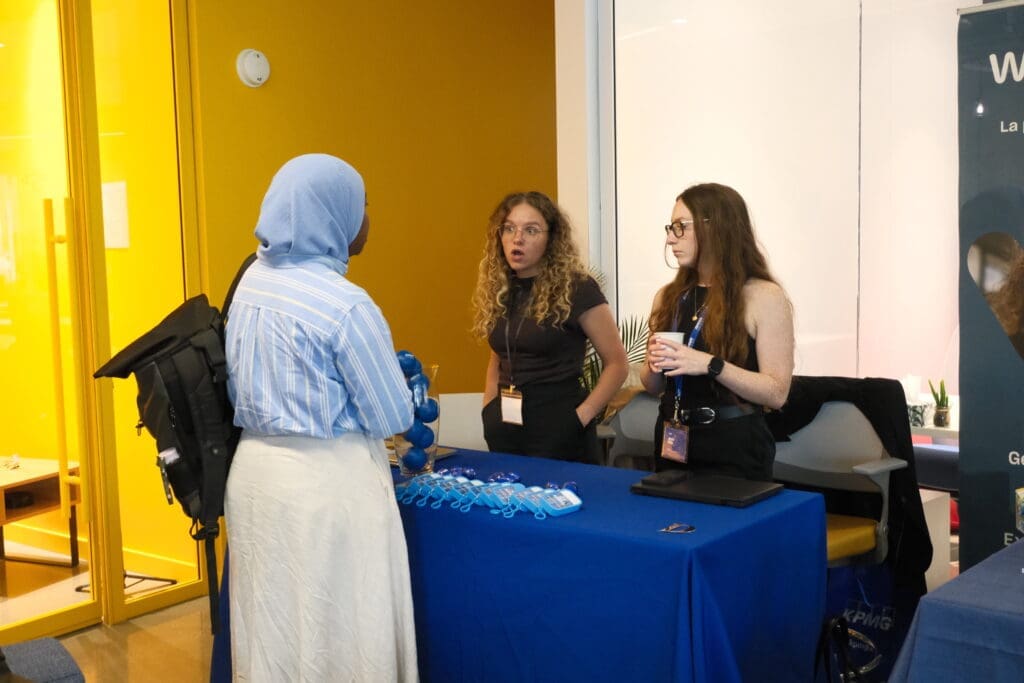
Building on the success of its inaugural event last year, the second edition attracted hundreds of attendees, including students, job seekers, entrepreneurs, business leaders, and technology professionals. Throughout the day, participants attended presentations, workshops, and panel discussions covering topics such as cybersecurity, artificial intelligence, digital transformation, and leadership.
The event ran from 11:30 a.m. until 8:00 p.m., with regular breaks designed to encourage networking between speakers, employers, and attendees. The atmosphere was notably collaborative and welcoming, featuring rooms covered in motivational affirmations, designated selfie stations, and a beverage bar stocked with seasonal drinks and soft drinks. Adding to the unique experience was a foot-tall robot that roamed the venue, delivering chocolates and sweets to guests as they listened to presentations.
Beginning at 5:00 p.m., the event transitioned into a networking cocktail reception, allowing guests to continue conversations in a more relaxed setting.
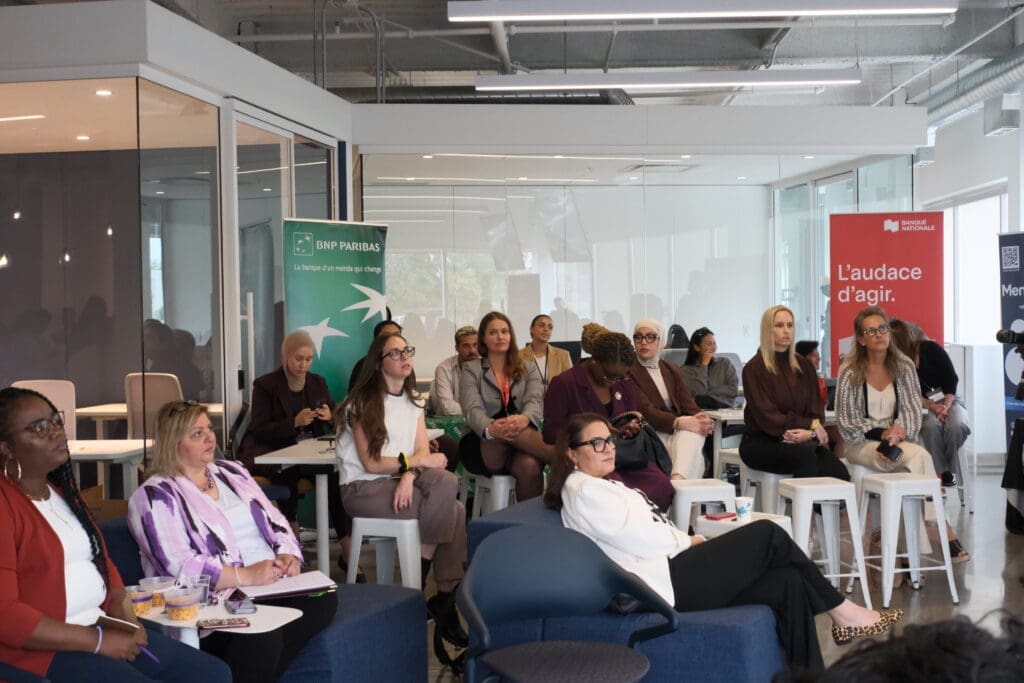
Building community through technology
In her opening remarks, DigiWomen founder Elsa Tannous emphasized the importance of building strong professional networks and supporting one another throughout the various stages of a technology career. She thanked attendees, partners, sponsors, and speakers for their support and highlighted the value of creating spaces where people can learn from each other and grow together.
“We’re all here to help you. If you have any questions, do not hesitate to reach out,” said Tannous. “I hope every single one of you has an amazing day.”
Her message resonated with one of the event’s central themes: diversity and inclusion in technology. While significant progress has been made in recent years, women remain underrepresented in many areas of the industry, particularly in technical and leadership positions. Events such as Digital Women’s Day aim to help bridge that gap by creating opportunities for mentorship, visibility, and professional development.
The human side of cybersecurity
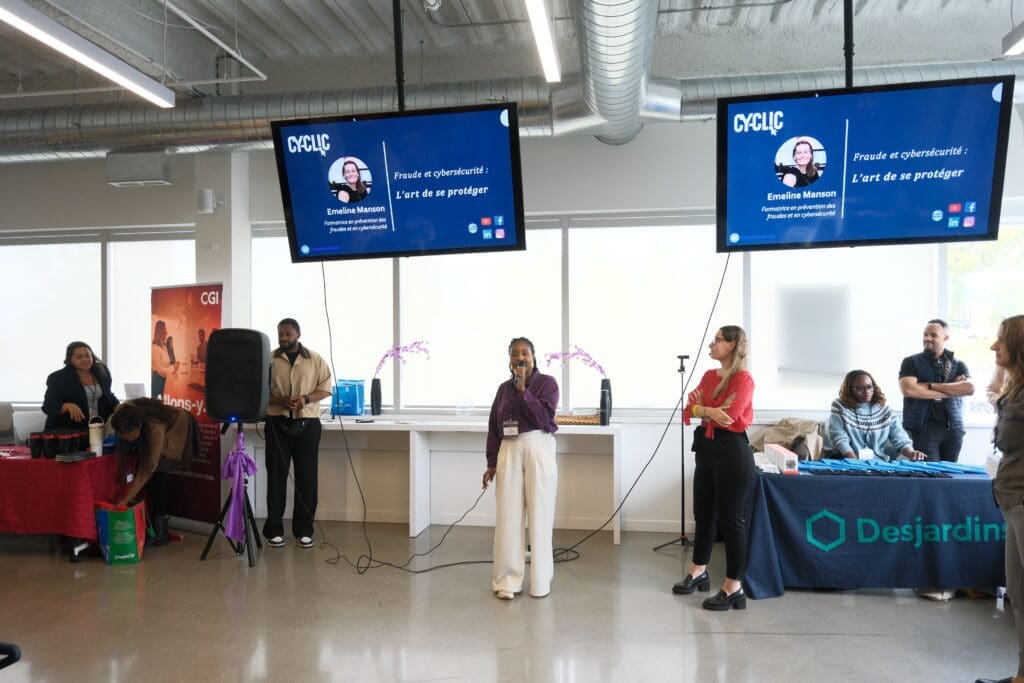
The day’s first keynote speaker was Emeline Manson, founder and president of CY-Clic, a company specializing in cybersecurity awareness and fraud prevention training. Manson is widely recognized for her expertise in the human side of cybersecurity, helping organizations understand how employee behaviour can either strengthen or weaken digital security. In addition to leading CY-Clic, she also teaches cyber investigation at Polytechnique Montréal.
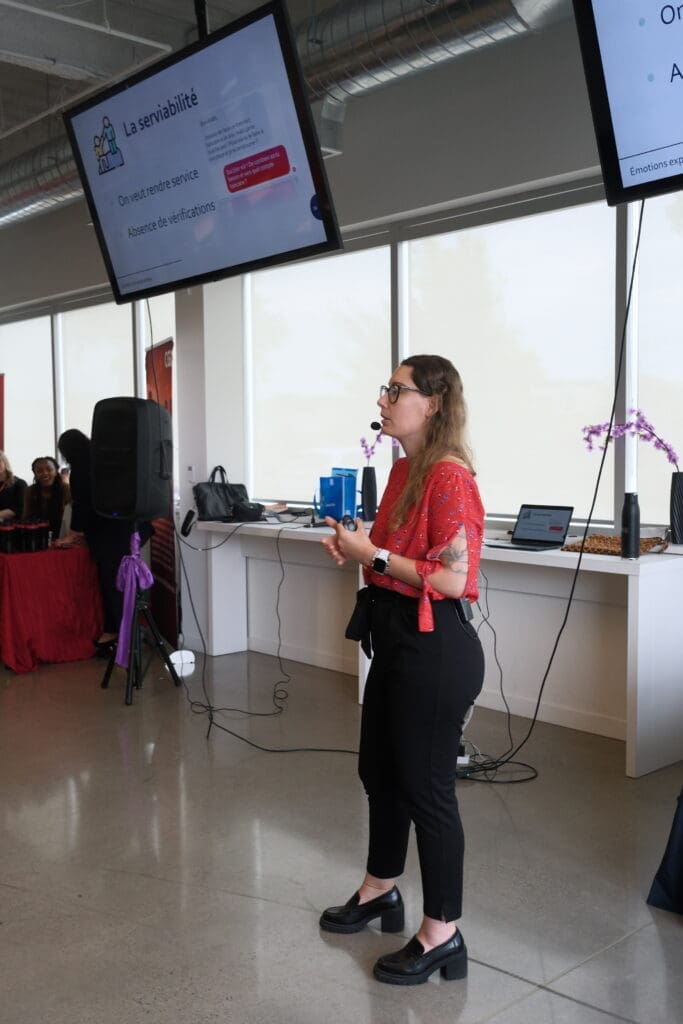
Manson opened her presentation with a simple but powerful question: How many people here have been contacted by a fraudster through a text message, phone call, or email?
To little surprise, nearly every hand in the room went up.
“Whenever these kinds of messages appear on my phone, I immediately feel a sense of anxiety,” said Manson. “My first thoughts are: Did I do something wrong? How did they get my number? It’s unsettling, and it always leaves me feeling uneasy.”
The response immediately underscored the relevance of her presentation. Cyber fraud is no longer a problem affecting only large corporations or government agencies; it has become part of everyday life. Whether through phishing emails, fake text messages, fraudulent phone calls, or social media scams, cybercriminals are constantly finding new ways to target individuals and organizations alike.
Staying one step ahead of cybercriminals
One of the most important discussions of the day focused on helping people protect themselves from cybercrime and online fraud.
“Whenever I get a text from an unknown number, I automatically assume the worst,” said Manson. “Even if the sender claims to be a family member, I ask them to tell me something about myself that only they would know. I even do the same thing when my mother sends me links, and she can’t stand it.”
Manson warned that fraudsters will say almost anything to gain a victim’s trust and convince them to hand over personal information or money. She stressed that it is important to remember that legitimate organizations rarely send urgent requests for sensitive information through text messages or unsolicited emails.
She also noted that scammers are becoming increasingly sophisticated. Some are now able to spoof phone numbers, making it appear as though a trusted institution, such as Desjardins Bank, is calling. In reality, the fraudster is masking their true number to deceive potential victims into believing the call is legitimate.
Strong passwords are your first line of defence
Manson also stressed the importance of strong password security. She pointed to reputable password-generation tools that can help users create unique, complex passwords for each of their online accounts. She said people can no longer afford to use the same password across multiple platforms, as a single data breach could potentially expose several accounts at once.
While she supports the use of password managers and password generators, Manson cautioned that people should be selective about which services they trust.
“There’s an old saying: ‘If it’s free, it’s because you are the product,’” she said.
However, she noted that many established password-management services employ multiple layers of encryption and security measures designed to prevent even the company itself from seeing users’ passwords or knowing exactly where they are being used. As a result, she encouraged people to do their research and choose trusted providers that are transparent about how they protect customer data.
“It’s a great strategy to try if you’ve ever been affected,” said Manson.
Judging by the number of hands that went up when she asked about fraudulent texts and suspicious phone calls, her advice resonated with much of the audience.