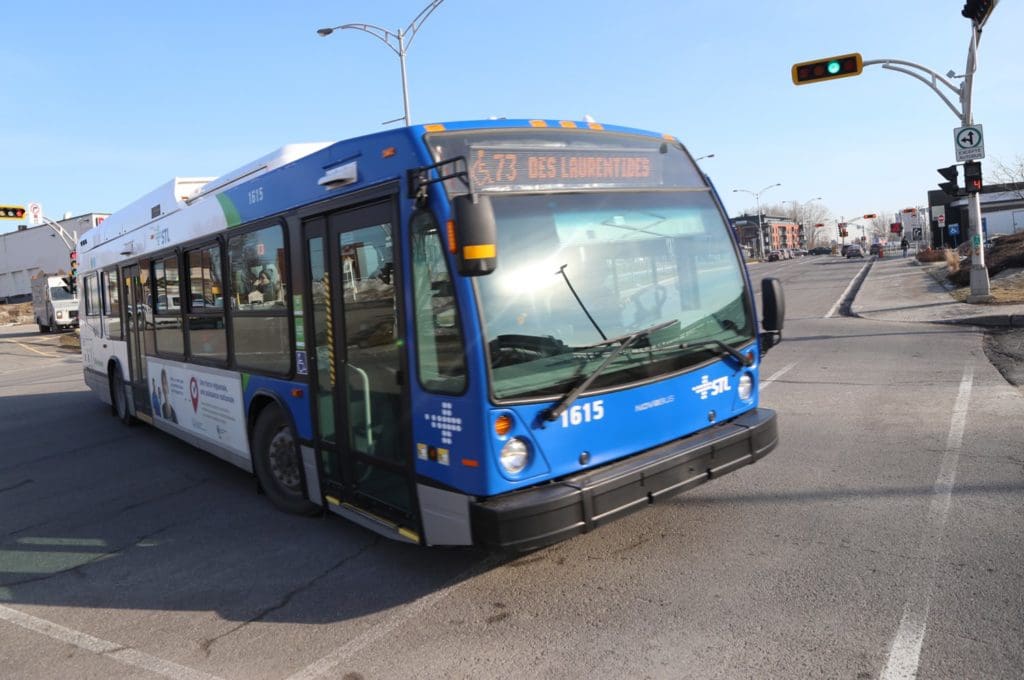
The Société de transport de Laval (STL), which released its 2025 activity report last month, said the year was marked by persistent economic challenges, but also progress in terms of the future development of mobility on its territory, particularly in terms of electrification and on-demand transportation in industrial areas.
“In a context marked by austerity and budgetary constraints, the STL has also been able to transform these challenges into opportunities for growth and optimization, while placing the customer experience at the heart of its operations,” stated Laval city councillor for Vimont Pierre Brabant, chairman of the STL board of directors.
“Alongside the ongoing funding challenges, the STL has made it a priority in 2025 to guarantee quality service to its customers, on the one hand, and to support its teams to foster a healthy, safe, and inclusive work environment, on the other,” said Josée Roy, the STL’s CEO.
Well-being and commitment
“More than ever, we are convinced that the success of our mission depends on the well-being and commitment of the women and men who carry it out every day,” she added.
The STL said it continued its mission to serve the residents of Laval, while ensuring the efficiency and optimization of its resources. However, according to the transit agency, ridership in 2025 was down 2.5 per cent compared to the previous year.
The STL board attributed the decrease to various external factors, including adjustments to service offerings, exceptional weather conditions, including storms and heat waves, as well as periods of strike action at the Société de transport de Montréal (STM), the impact of which was felt on the Laval network.
Despite the slight decline, public transit ridership in Laval remained the highest in the metropolitan region, said the STL. “This result demonstrates the continued importance of public transit in the travel habits of Laval residents, even in a less favorable economic climate,” stated the annual report.
Paratransit trips up 5 per cent

The STL said paratransit has been following an opposite trend, with a five per cent increase in trips, surpassing 2019 levels, totaling nearly 550,000 trips for the year. Initiated in 2024, paratransit service optimization efforts continued in 2025 “to better reflect actual ridership on the network,” the STL said.
In spite of a demanding budgetary context, the STL said it demonstrated agility by redesigning its service to meet anticipated mobility needs and facilitate access to new express stations for its customers. Five additional routes were also added to support ridership, particularly in western Laval, and to optimize connectivity between networks.
To support economic growth in industrial sectors, the STL said it launched three new on-demand taxi routes. The initiatives aimed to improve worker mobility in these sectors, particularly in western Laval.
To meet budget rationalization requirements of the Metropolitan Regional Transportation Authority and to contribute to metropolitan efforts in this area, the STL continued its efforts to optimize its administrative expenses in 2025.
Paratransit partner with STM
In addition to continuing to adjust its service offerings based on ridership on its network, the STL entered into a partnership with the Société de transport de Montréal (STM) to take over the reservation centre and paratransit services for Laval residents, effective January 1, 2026.
The year 2025 also marked a significant milestone in the STL’s energy transition. Progress on the future electrified garage – the largest infrastructure project since the STL’s inception – paved the way for the imminent arrival of the first new-generation electric buses, according to the transit agency.
The agency said this major transformation will require profound changes, impacting infrastructure, work practices and staff skills. “This strategic project is fully aligned with the STL’s commitment to an energy transition and more sustainable mobility,” they said.
The STL’s 2025 performance results indicated that customer satisfaction with regular transit saw a slight decrease, primarily due to service adjustments implemented during the year.
Former STL chair reacts
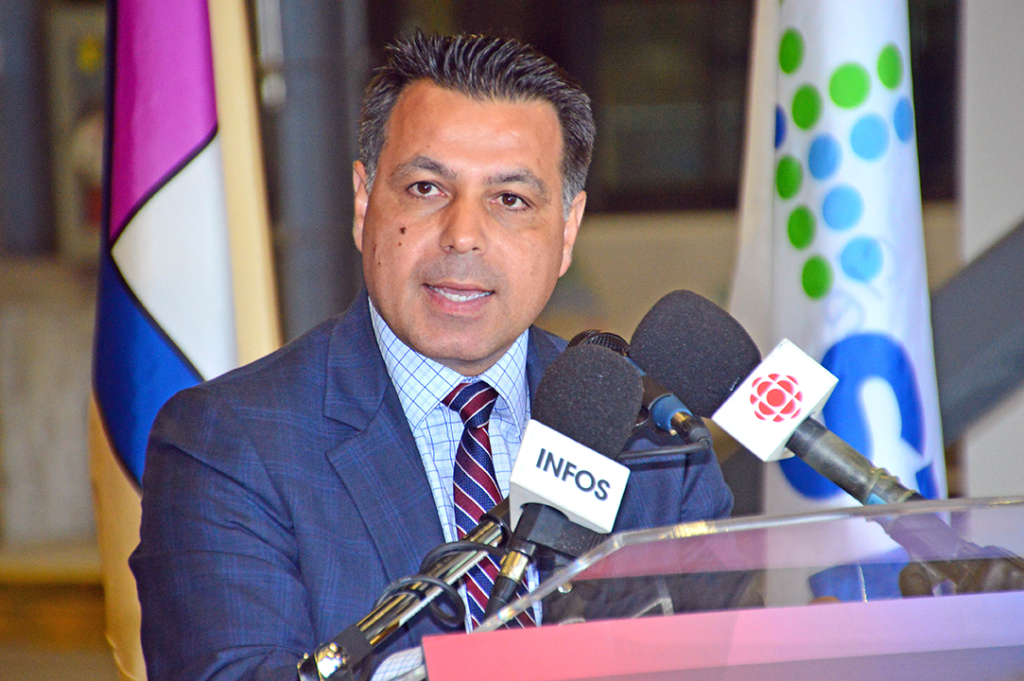
Reacting to the STL report, Action Laval city councillor for Saint-Bruno David De Cotis (who chaired the STL’s board from 2013-2017) faulted the transit agency primarily for a lack of transparency, while maintaining that nothing was said of the STL’s recent cuts in service brought on by a supply-chain-generated shortage of spare parts.
While the service cuts were actually implemented in the first few months of 2026, De Cotis said there should have been some mention of the problem in the 2025 report because the problem started last year, he claimed.
“It started in 2025 because they knew about it,” said De Cotis. “The parts weren’t coming in in February and March. They knew about that last November. It wasn’t something new. There’s absolutely no mention of what happened, of why it happened, and what they would do to prevent it from happening again.”
De Cotis also noted that other public transit agencies in the Montreal region were facing similar circumstances, but didn’t report any supply chain problems. Although Action Laval had asked for an inquiry to be held, the Mouvement lavallois council majority voted the motion down, he added.