‘It’s time for this project to move forward,’ says Laval’s mayor
Following word from the Montreal region’s public transit planning authority that it will be working on eight major transit projects in the coming years – including the Orange Line extension to Chomedey – Laval mayor Stéphane Boyer has stepped forward on cue to enthusiastically boost this long-neglected project that could add up to five new Metro stations in Laval.

On July 24, the Autorité régionale de transport métropolitain (ARTM) issued a communiqué, which included preliminary results of a study identifying the extension of the Orange Line as the most viable of the eight projects, confirming what Laval had been requesting for years.
“While major projects are progressing rapidly, the ARTM is working on the next phase of long-term planning,” the ARTM said in a statement, adding that the launch of the eight metropolitan study zones “will guide decision-makers on the best ways to develop public transit” throughout the Greater Montreal region.
‘Needs of the coming decades’
“The projects shaping the network of tomorrow are already underway, but our work doesn’t stop there,” said Benoit Gendron, the ARTM’s director general. “To meet the needs of the coming decades, we must start thinking now about the next steps. That’s why public transit planning must be ongoing. The study areas allow us to better understand the realities of each territory and identify the most promising interventions for the future.”
Over the next few years, the ARTM says it will conduct the studies covering the entire Montreal metropolitan area. According to the agency, the studies will assess current and future mobility needs; analyze different public transit development scenarios; identify projects offering the greatest benefits to citizens; and recommend the most relevant scenario for each area to the provincial government in order to guide future investments.
The eight sectors
The eight study areas will cover strategic sectors of the metropolitan region:
Chomedey–Saint-Laurent (2026);
Central Montreal sectors–West Zone (2026);
Laurentian Corridor (2027);
Les Moulins (2027);
Montérégie Corridor (2028);
Saint-Laurent–Ahuntsic–Montréal-Nord (2028);
Marguerite-d’Youville (2029);
Roussillon (2029).
The ARTM says the first study will focus on the Chomedey–Saint-Laurent sector (Montreal and Laval). Its results will be released in the fall “and will contribute to discussions on the next phases of development of the metropolitan network in this territory,” according to the agency.
The ARTM says the studies will provide the agency “with a comprehensive overview of mobility needs across Greater Montreal and identify the most promising investments for citizens and communities.”
ARTM preparing for the future
While acknowledging that public transit funding “remains a significant challenge,” the ARTM said it is carrying out the studies to continue “the necessary planning work to prepare for the future.”
“We must be ready when the financial context is more favorable because, despite the current challenges, mobility needs will continue to grow,” said Gendron. “We must continue planning, define priorities and ensure that tomorrow’s projects meet the real needs of citizens and communities.”
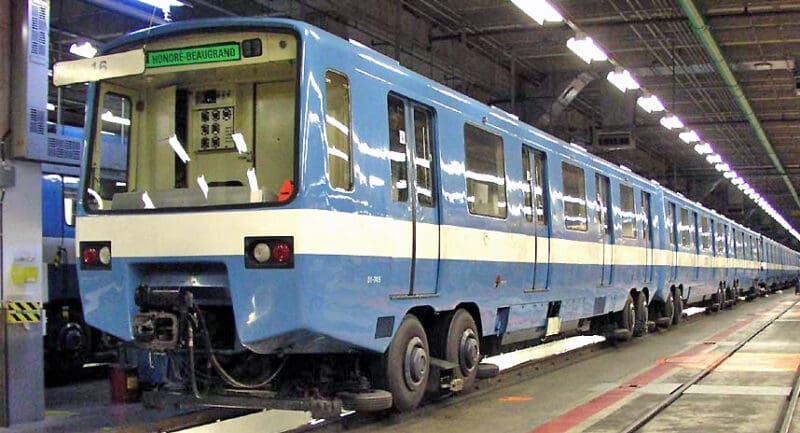
Reacting to the announcement on Facebook, Mayor Boyer said: “New figures were released this weekend, and they’re spectacular! According to a study by the ARTM (Regional Metropolitan Transportation Authority), completing the Orange Line of the Metro between Côte-Vertu and Montmorency stations would move an additional 31,200 people during the morning rush hour.
He’s all for Orange Line extension
“That’s more than any other public transit project, and 10 times more than the Third Link in Quebec City,” he continued, alluding to the proposed but long postponed third bridge in the province’s capital.
“The project would take 11,000 cars off the road along Autoroute 15 and the Metropolitan Expressway, two of the most congested highways in the province,” added Boyer.
“The average travel time between downtown Laval and downtown Montreal would be 35 minutes instead of the current 50 minutes – a 40 per cent reduction. And the travel time between Carrefour Laval and Côte-Vertu station by public transit would drop from about an hour to just 14 minutes!
“This is therefore a project that is good for the economy, good for the environment, and would reduce travel time for both motorists and public transport users. In short, it’s time for this project to move forward!”
In an interview with Radio-Canada, Boyer noted that extending the Orange Line to Laval, where it would connect the Montmorency Metro station to the Côte Vertu station in Montreal, while adding six to eight stations to the network, including one at Carrefour Laval, “is a project that has been in discussion for a very long time,” he said.
Best overall project, says Boyer
“This is probably the mass transit project in Greater Montreal that would attract the most people and would be the best to finance,” he continued. While pointing out that up to now, extending the Orange Line was never successfully brought forward, he said the ARTM’s support for the project shows that with time, old ideas age well “like good wine” and “this is a project with even more potential than it had back then.”
As the proposed Orange Line extension would likely include several stations in Chomedey, Mayor Boyer suggested it could help rejuvenate this densely-populated sector where a lot of re-development is underway, including 20,000 new housing units in the next ten years.
“There is an enormous potential in terms of the number of people who would be users,” said Boyer. “But it’s also a project that would improve the quality of life of people and it would reduce travel time significantly. And from the standpoint of economics and efficiency, delivery people with businesses will spend less time in traffic and do things faster and everybody would win. So, in my opinion, it’s a good all-round project.”