Speedier interventions expected, along with improved emergency coverage
According to City of Laval officials, significant improvements are being made to the city’s First Responder program to enable the Laval Fire Department (SSIL) to respond more effectively everywhere in Laval, with the ultimate goal being to save more lives.
The City of Laval and Urgences-Santé (the Montreal-based ambulance service) have enhanced and renewed their agreement, thereby improving First Responder services through enhancements that are expected to directly benefit the public.
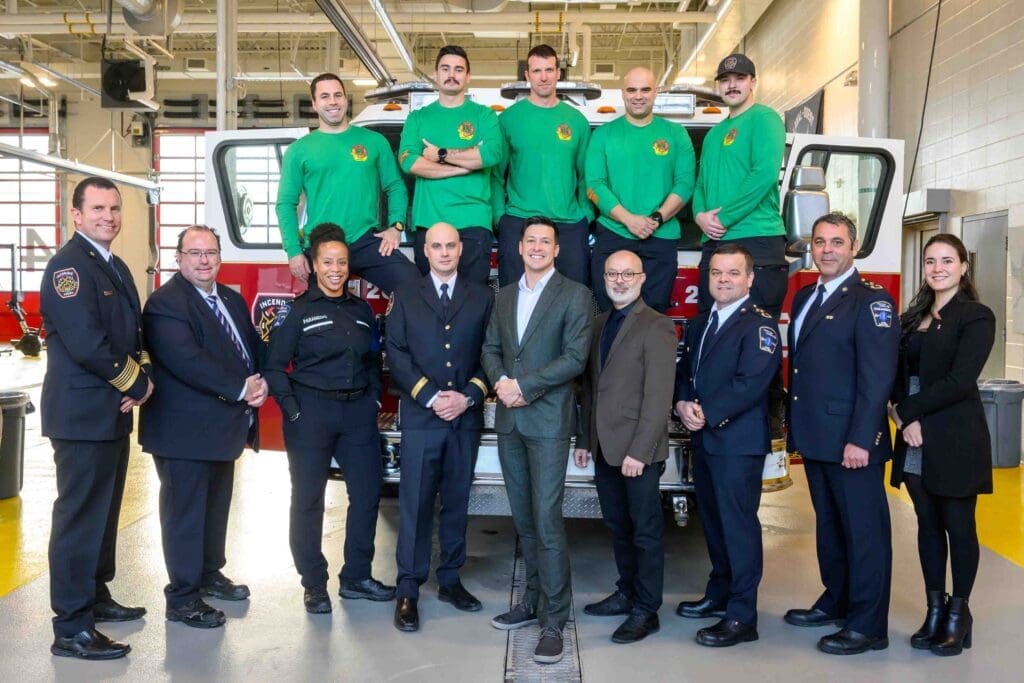
The official announcement was made on December 17 at Fire Station 6 in Laval. The new one-year agreement includes optimized SSIL interventions and deployments to provide better emergency coverage for the city’s residents.
Improved emergency access
Specifically, says the city, more people experiencing health distress will receive rapid assistance from First Responders. Now, all extreme emergency calls (priority 0) will automatically trigger an intervention, significantly increasing the chances of survival.
Also under the new agreement, coverage is being extended to significant emergencies (Priority 1) when the ambulance takes more than 10 minutes to arrive.
In addition, firefighters will be released more quickly after each call, resulting in a faster response to all urgent incidents in the region. As well, beginning in 2027, designated First Responder teams will answer to cases of severe hypoglycemia.
(Hypoglycemia, or low blood sugar, occurs when glucose levels drop below a healthy range (around 3.9 mmol/L or 70 mg/dL), causing shakiness, hunger, confusion, sweating, rapid heart rate and weakness. It often happens in people with diabetes from too much insulin, missed meals or intense exercise, but also reactive hypoglycemia can occur after meals.)
Improvements since 2022
Since its implementation in May 2022, according to the city, Laval’s First Responder program has transformed emergency response in Laval in the following ways:
• 6,016 interventions carried out by SSIL teams;
• 409 lives saved in life-threatening situations;
• Reduced response time: from an average of more than 11 minutes to receive medical assistance to an average of less than 7 minutes and 30 seconds when first responders are dispatched;
• 100 per cent of firefighters (306 in total) are trained and certified as Level 1 First Responders (PR-1);
• First Responders intervene in life-threatening medical emergencies: high risk of cardiorespiratory arrest, allergic or anaphylactic reaction, medication or drug overdose, respiratory failure, and unconscious individuals;
• In addition to being First Responders, Laval firefighters possess expertise in water and ice rescue.
Shorter response times
“Laval is a vast territory to cover, and this valuable partnership with Urgences-Santé plays a vital role in public safety,” said Laval mayor Stéphane Boyer, adding that Laval’s nine fire stations, strategically located throughout the territory, allow response times for medical assistance to be shortened.
“Our firefighters can quickly provide first aid in medical emergencies while awaiting the arrival of paramedics,” he continued. “We are very proud that the expertise of our fire department is now inspiring all first responder services in Quebec.”
Going the extra mile
Since First Responder service was implemented in 2022, SSIL teams have responded to 526 cardiac arrests, including 37 resuscitated individuals who were revived before the ambulance even arrived, according to Laval fire department director Patrick Taillefer.
“This enhanced renewed agreement allows us to go even further in protecting the lives of Laval residents,” he said. “Laval is a leader in this field and will even be invited to sit on the new provincial First Responder committee of the Ministry of Health and Social Services (MSSS).”
“Urgences-santé and the City of Laval are joining forces to offer citizens an efficient and rapid pre-hospital response chain,” said Michel Garceau, Urgences-Santé’s executive-director. “Thanks to the commitment of first responders, lives are saved and morbidity is reduced.”